
LSINC Guides · The Field Manual
Prove the production before you buy the printer.
Plain-language guides to direct-to-object printing, the decoration processes it replaces and the numbers behind a purchase. Written for the people who have to make the line run faster, cheaper and with more splash, and who want the ROI to hold up on the thousandth piece.
Four questions. Which one is yours?
Four plates · one clear picture
Choose your plate
Start from your question
Series 01
The Buyer's Series
Eight guides for evaluating decoration processes, fixing production bottlenecks and building the business case. Written to be useful whichever printer you buy.
8 guides · 70 min of reading
- Before You Buy a High-Throw PrinterA neutral buyer's checklist for high-throw inkjet printers: quality at distance, overspray and ink mist, cleaning, real throughput and long-run consistency.Evaluate a purchase9 min read
- Screen Printing vs. Digital Direct-to-Object: What Actually Changes in Production?Screen printing vs. digital direct-to-object on bottles and drinkware: what really changes in setup, color, run length, labor and inventory, and where each wins.Compare processes8 min read
- How to Reduce Changeover Time in Product DecorationA practical playbook for cutting changeover time in product decoration: measure it, move work off the clock, standardize fixtures, change artwork in software.Fix production8 min read
- How to Decorate Multiple SKUs Without Adding Screens or OperatorsHandle growing SKU counts and seasonal artwork without adding screens, label inventory or operators: fixture families, smart sequencing and digital artwork.Fix production8 min read
- How to Calculate the True Cost per Decorated PieceThe formula for true cost per decorated piece (ink, consumables, labor, changeover, maintenance, cleaning and scrap over good pieces), with a worked example.Evaluate a purchase10 min read
- When Does Custom Motion/Fixturing Beat More Throw Distance?How to choose between more printhead throw distance and custom motion or fixturing for tapered, contoured and handled products, with a decision framework.Evaluate a purchase9 min read
- How to Produce Short Runs and Personalized Products EconomicallyMake short runs and personalized products pay: where setup costs hide, and how labels, sleeves, heat transfer, sublimation and digital direct-to-object compare.Compare processes9 min read
- How Geometry, Ink Coverage and Handling Affect Real Print SpeedWhy a printer's top speed differs from real production: how geometry, ink coverage, white underbase, curing, handling and changeover shape your throughput.Fix production9 min read
Series 02
Technology Primers
How direct-to-object printing works, on the shapes and materials buyers ask about most.
3 guides · 18 min of reading
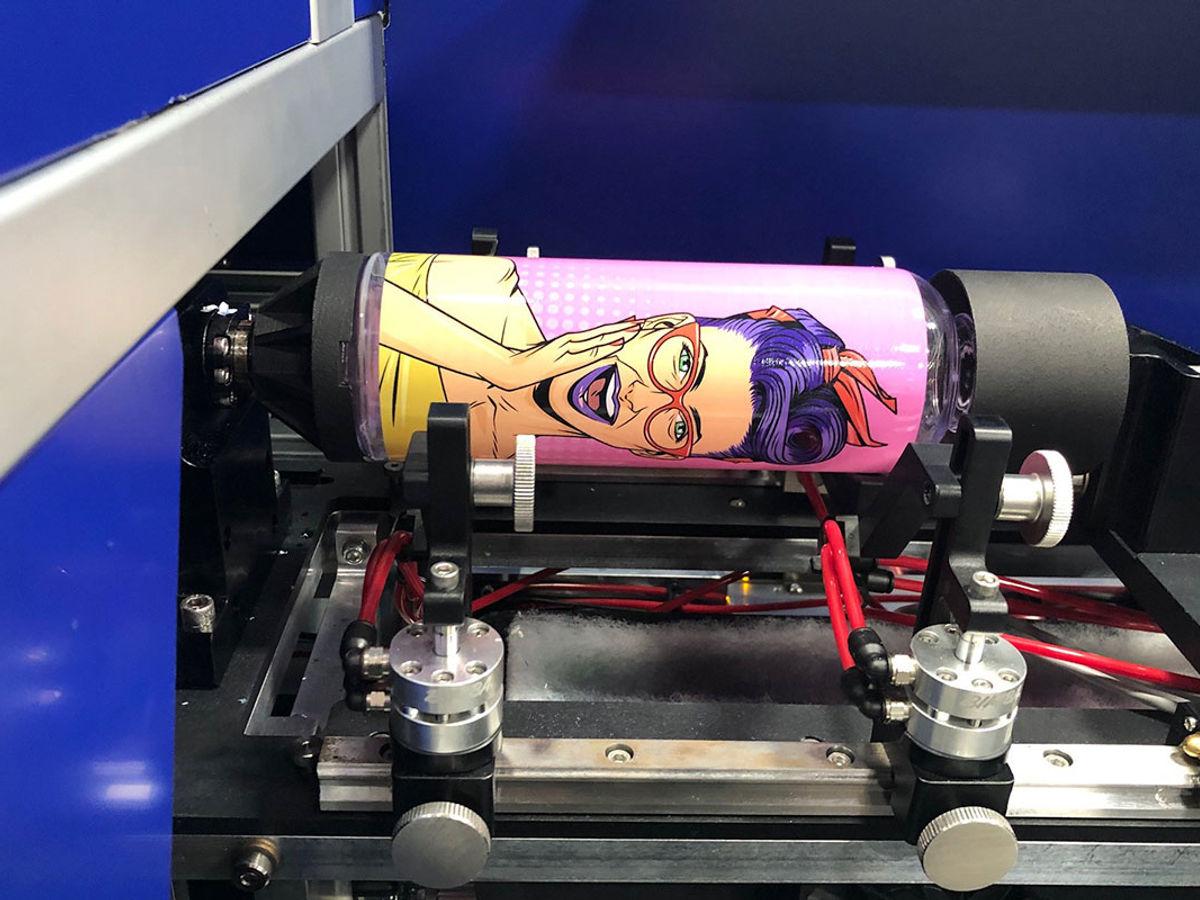

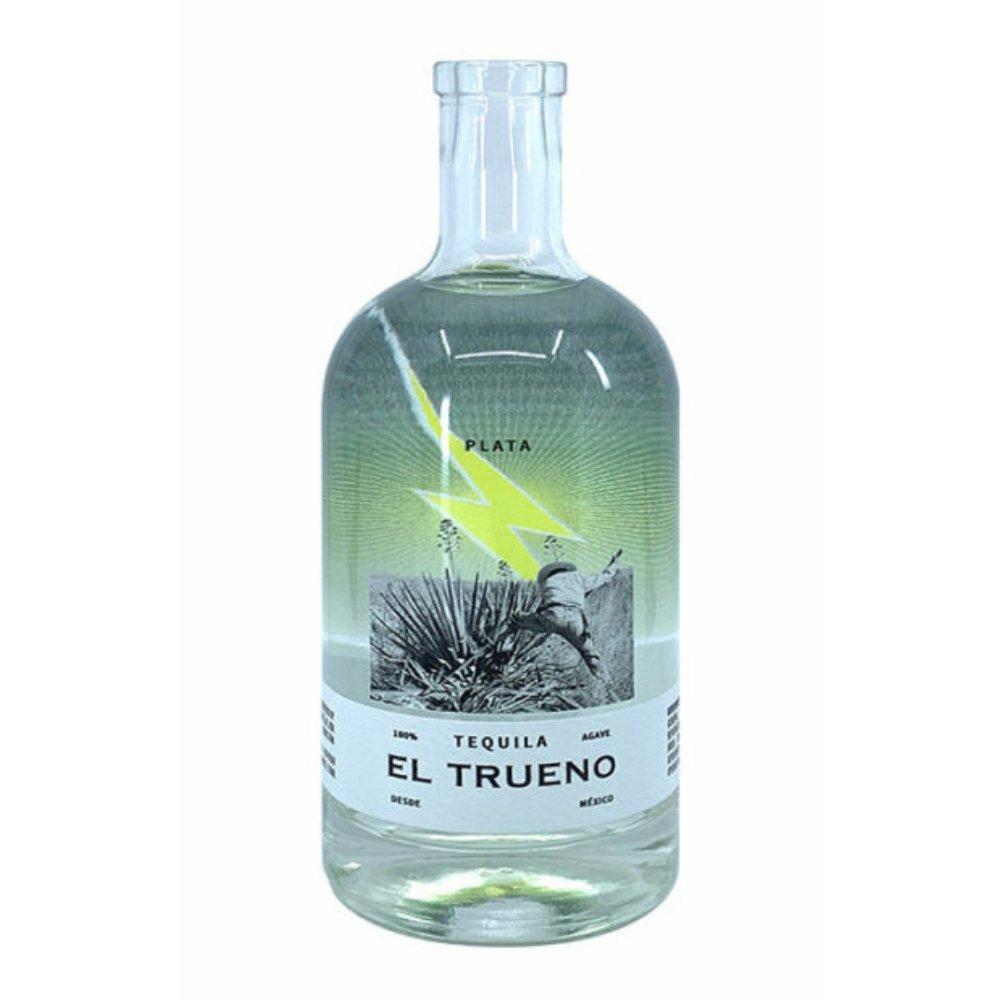
The last step in every guide
Send us what you're printing on.
Reading gets you the right questions. A test print on your own bottle, tumbler or component gets you the answer: your artwork, your shape, real results.