In this guide
What is cylindrical printing?
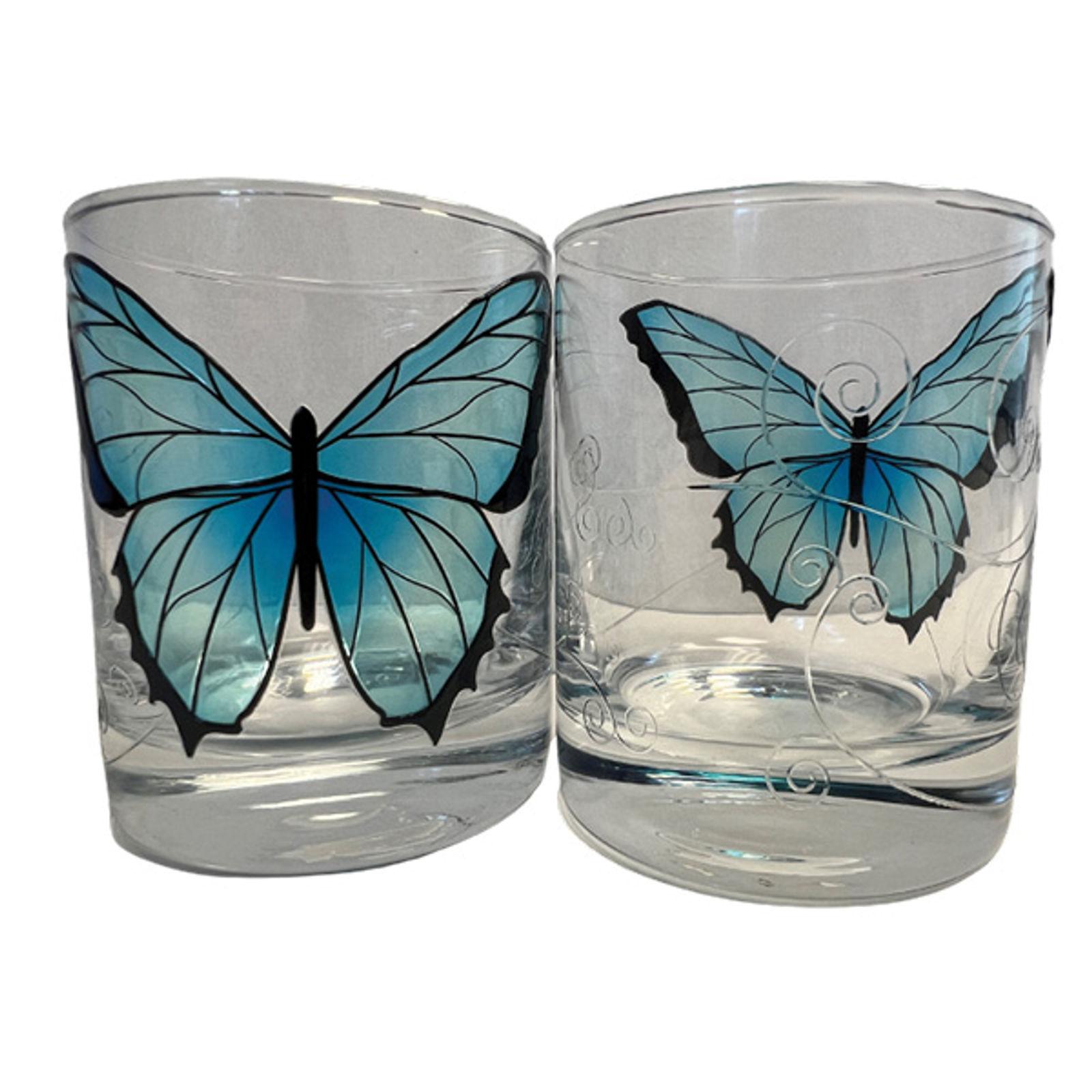
Cylindrical printing is the process of applying graphics directly onto round or curved surfaces such as bottles, tubes, cans and containers. Unlike flatbed printing, the object has to rotate in step with the image: printhead firing, rotation speed and position all have to stay synchronized so the artwork lands exactly where it was designed.
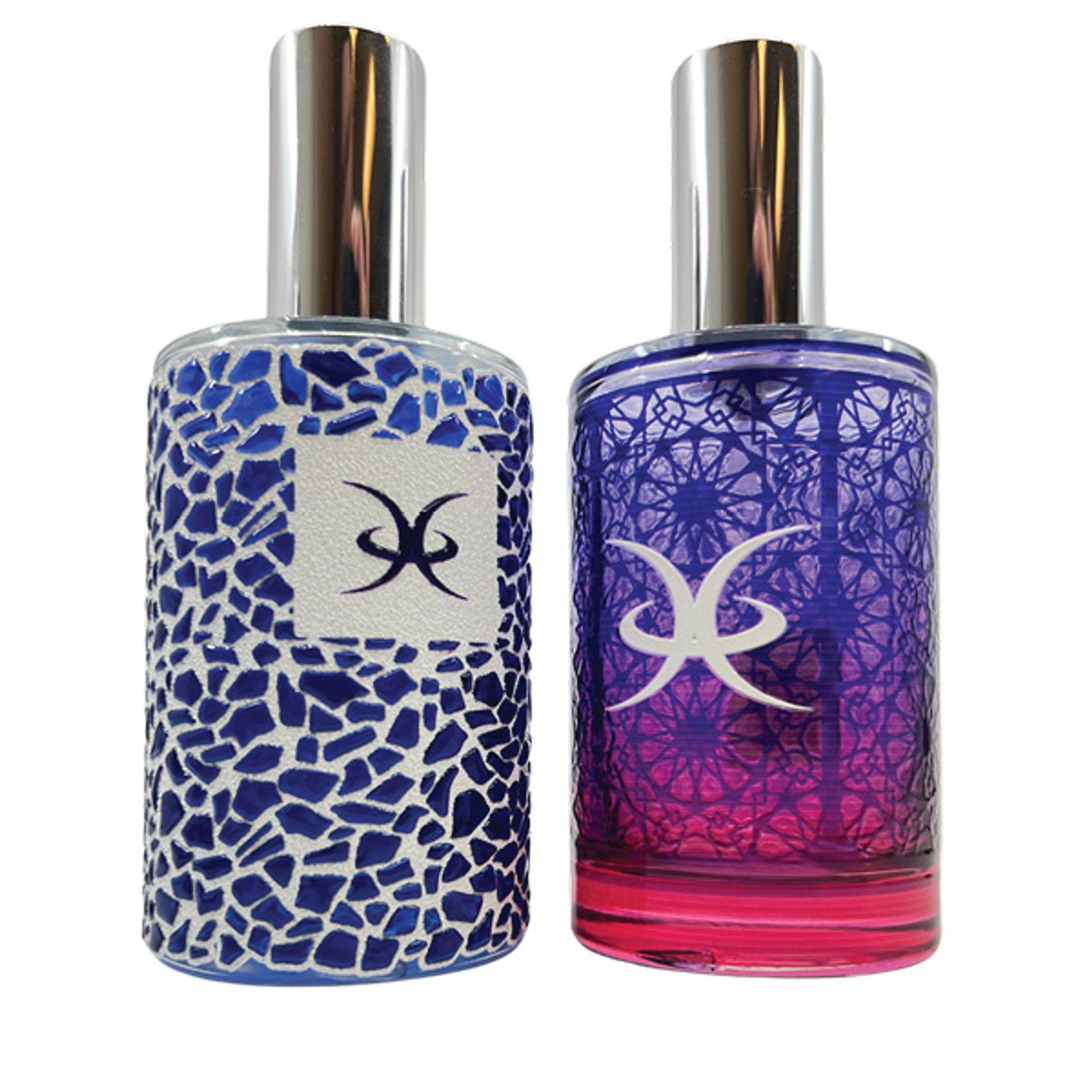
Modern cylindrical printers combine direct-to-object inkjet technology with controlled motion systems that hold alignment while printing on curved substrates. The payoff is a label-free, full-color finish that looks like part of the product, which is exactly what brands mean when they ask to improve the look and feel of the package.
How printing on cylindrical objects works
Printing on cylindrical objects takes tight coordination between object rotation, printhead movement and ink application.
- 1
Object rotation
The item is rotated under the printheads during printing so ink is laid down evenly around the surface.
- 2
Image synchronization
Digital artwork is mapped to the object's circumference, so the image wraps without stretching and meets itself cleanly.
- 3
Inkjet application
UV-curable inks are applied directly to the rotating object, including a white underbase where the design needs one.
- 4
UV curing
The ink is cured as it is printed, producing durable graphics that are ready for handling.
Full wrap, done right
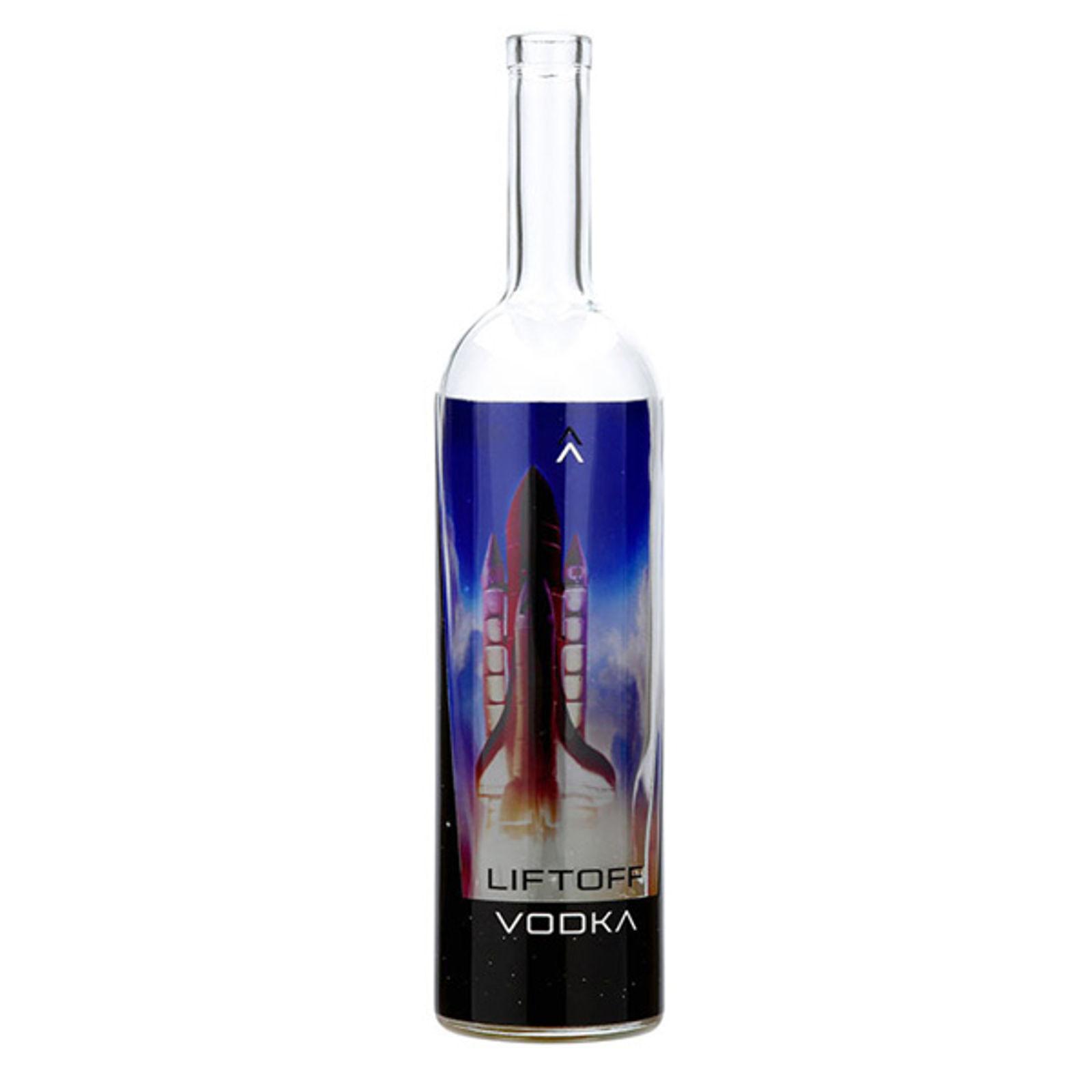
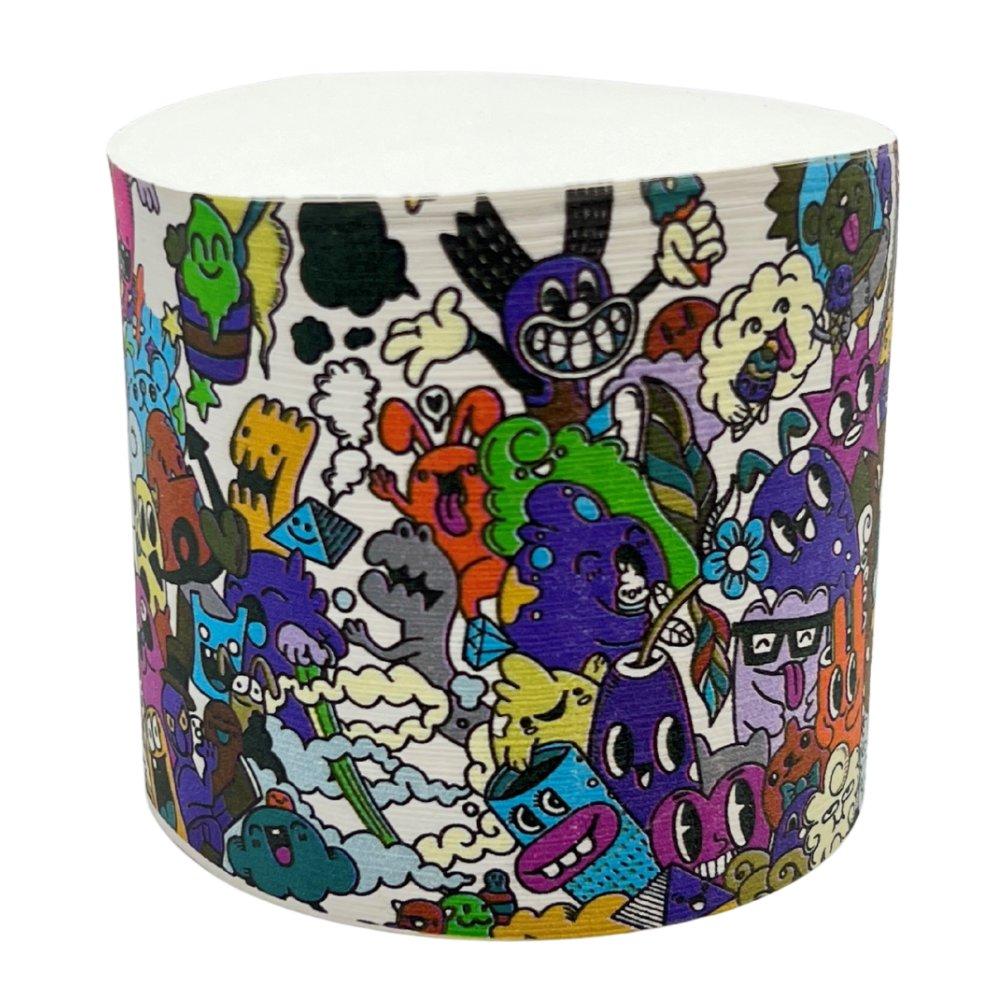
The advantage of printing on a rotating object is the full wrap: a seamless design around the entire circumference, something labels and pad printing struggle to deliver. Getting it right depends on a few details that are worth asking about in any evaluation:
- Circumference and diameter consistency. The image is scaled to the part. Parts that vary in diameter need a process that holds registration anyway.
- The join. Where the start of the image meets the end, the wrap should meet cleanly on every piece, not just the demo piece.
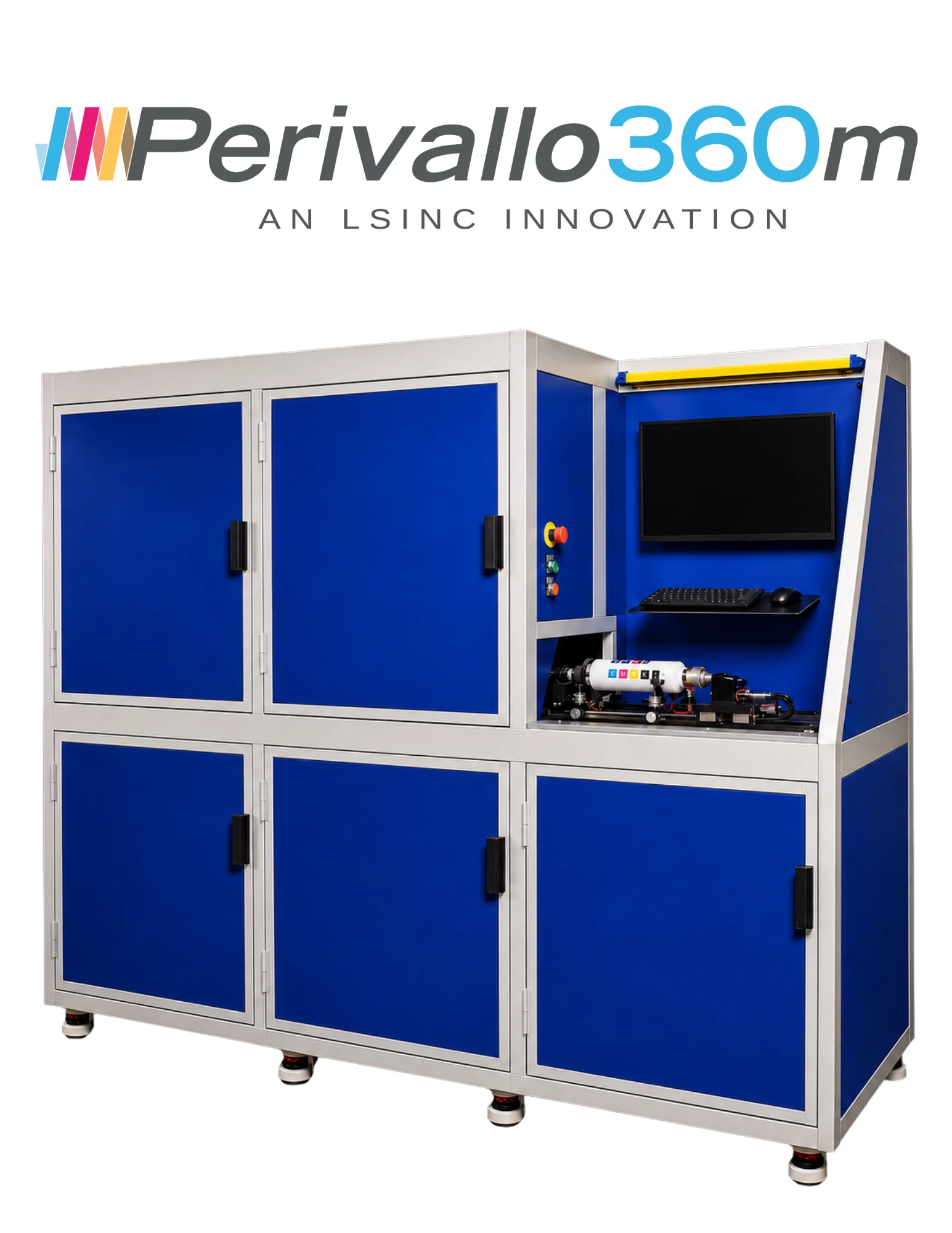
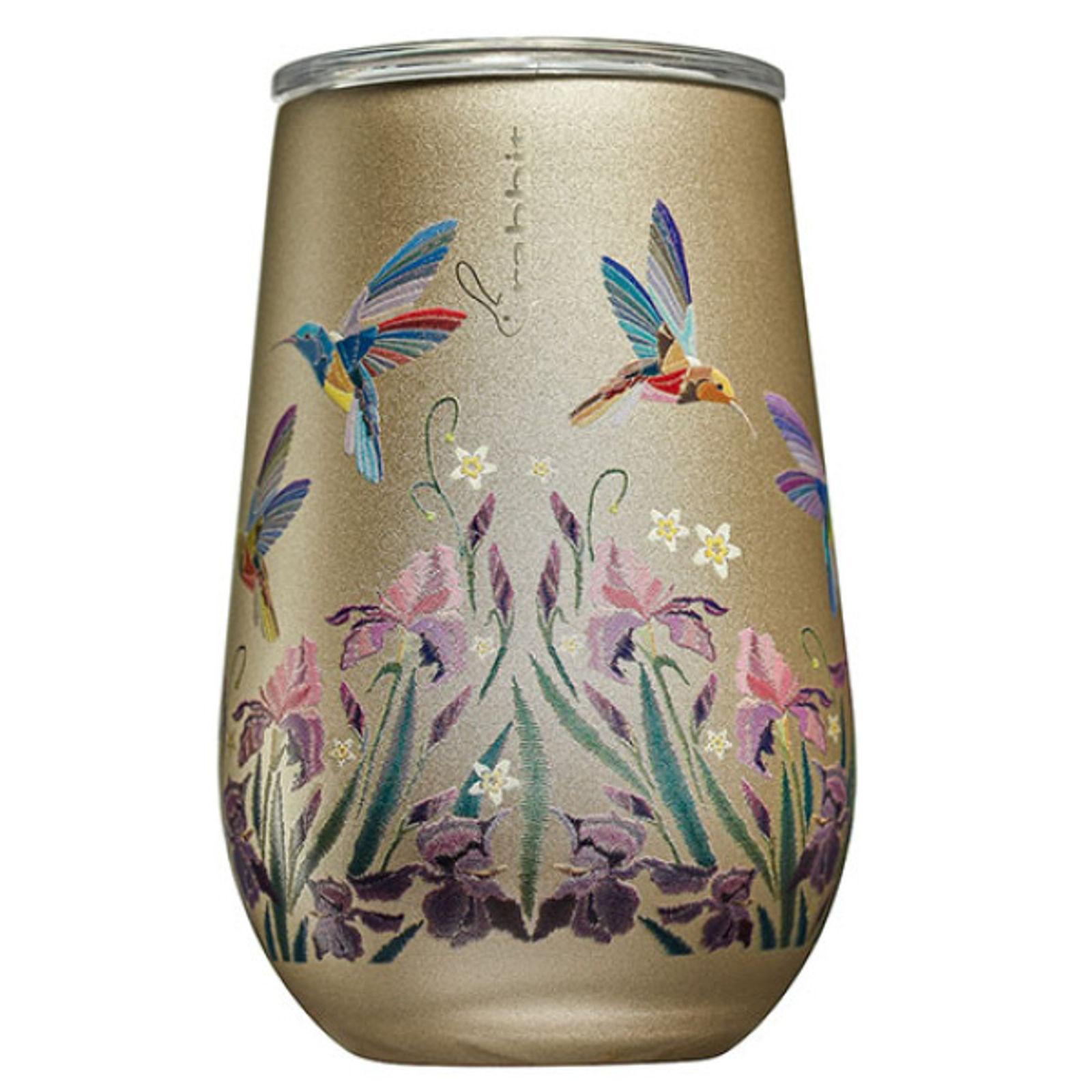
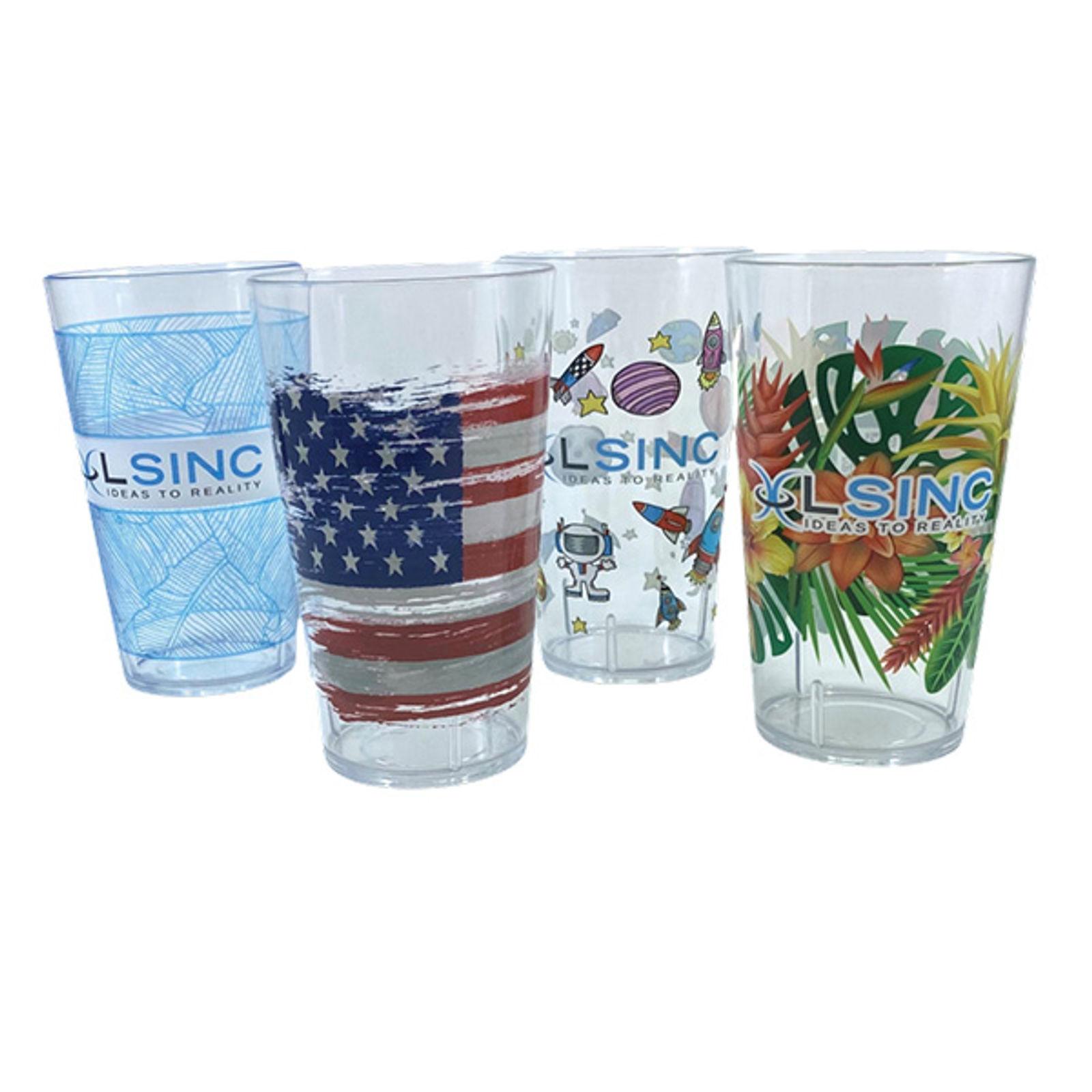
- Tapers and shoulders. On tapered tumblers and shouldered bottles the surface is not a true cylinder, so the motion has to keep the surface presented to the heads. That is the job of the Perivallo360m.
For a deeper look at how shape affects throughput, read How Geometry, Ink Coverage and Handling Affect Real Print Speed.
Common applications for cylindrical printing
- 02
Cosmetic containers and tubes
Full-color decoration on bottles, jars and tubes. See cosmetics packaging.
- 03
Specialty packaging and branded containers
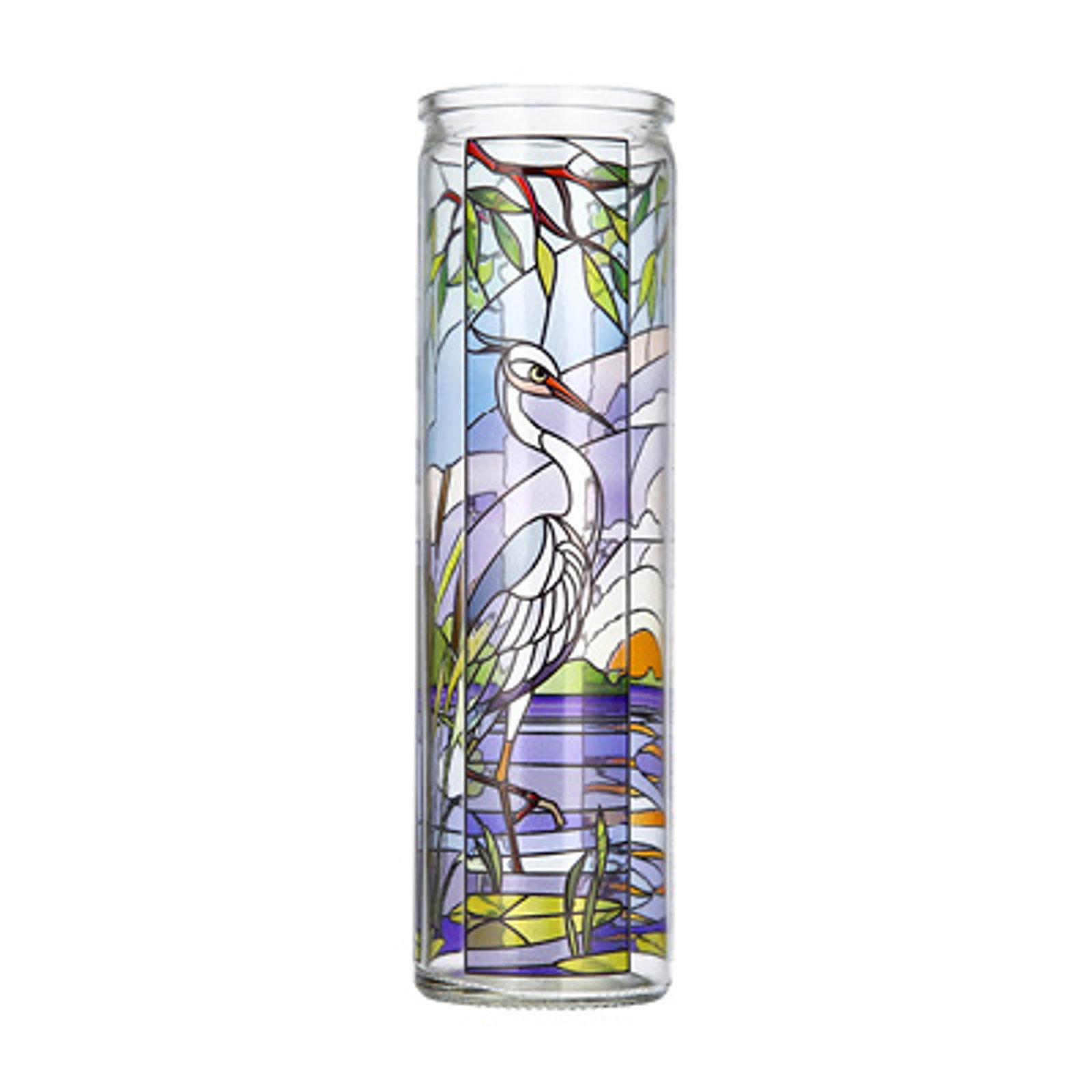
Candle jars, cans and branded containers. See jars and cans and candles.
- 04
Promotional products
Short runs, events and personalized merchandise. See customized products.
- 05
Industrial components
Cylindrical parts that need durable graphics or marking.
Printing directly vs. labeling a cylinder
Label or shrink sleeve
- Label or sleeve stock bought ahead and stored by SKU
- A separate application step and equipment
- A proven, low-cost option for very high volumes of one design
- Artwork changes can strand printed inventory
Printed directly on the object
- Graphics applied straight to the surface
- Full-wrap, high-resolution color
- Variable data and customization on the same line
- Short runs without a setup penalty
Choosing the right printer for cylindrical objects
Selecting equipment for cylindrical printing depends on production volume, product geometry and required throughput. Manufacturers producing high volumes of bottles or containers typically need systems designed for continuous, high-speed operation. Other environments prioritize flexibility for shorter runs or specialty products.
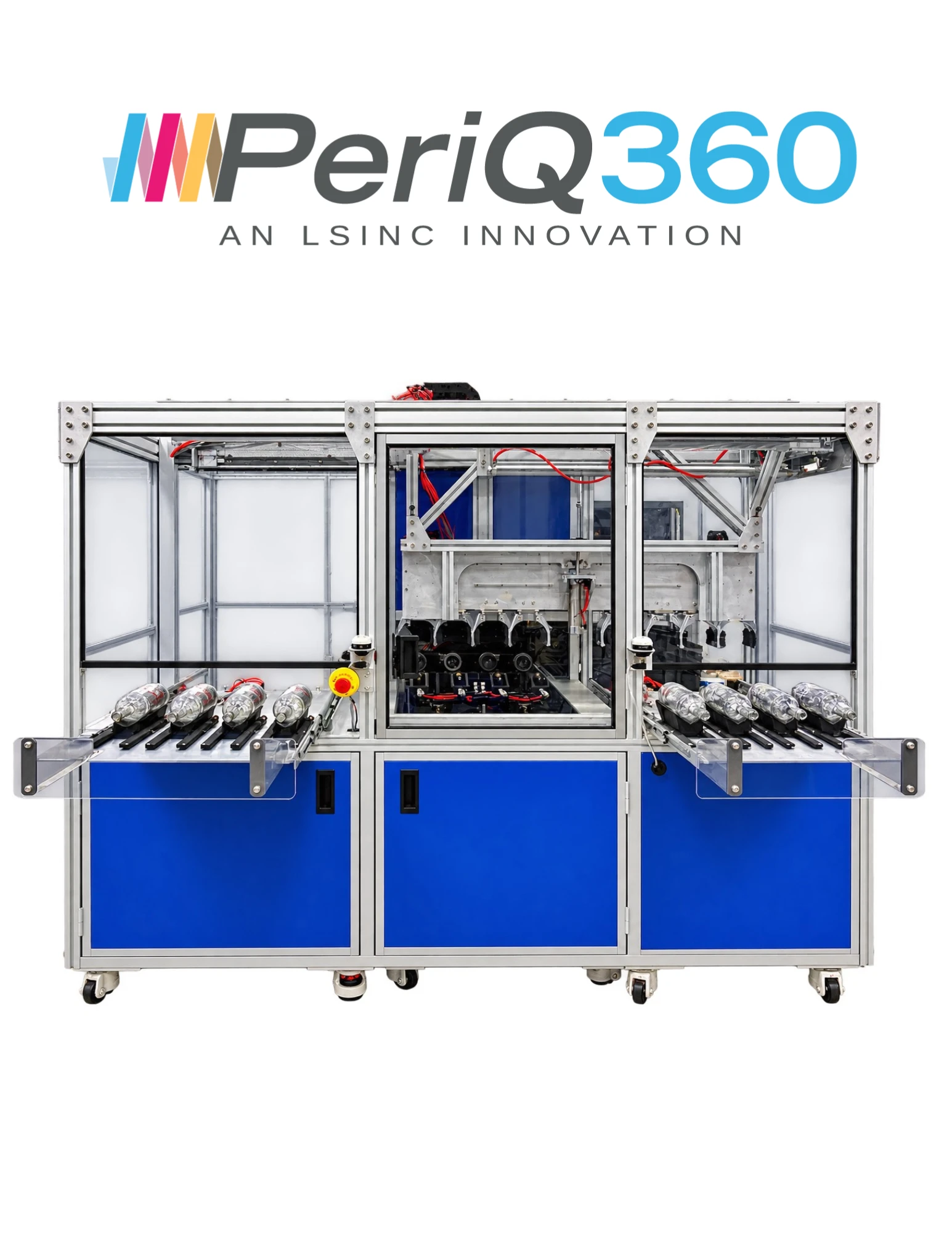
- High-speed production: the PeriQ360 is designed for scalable throughput on bottles and containers while holding consistent print quality.
- Tapered and contoured shapes: the Perivallo360m keeps changing surfaces presented to the printheads.
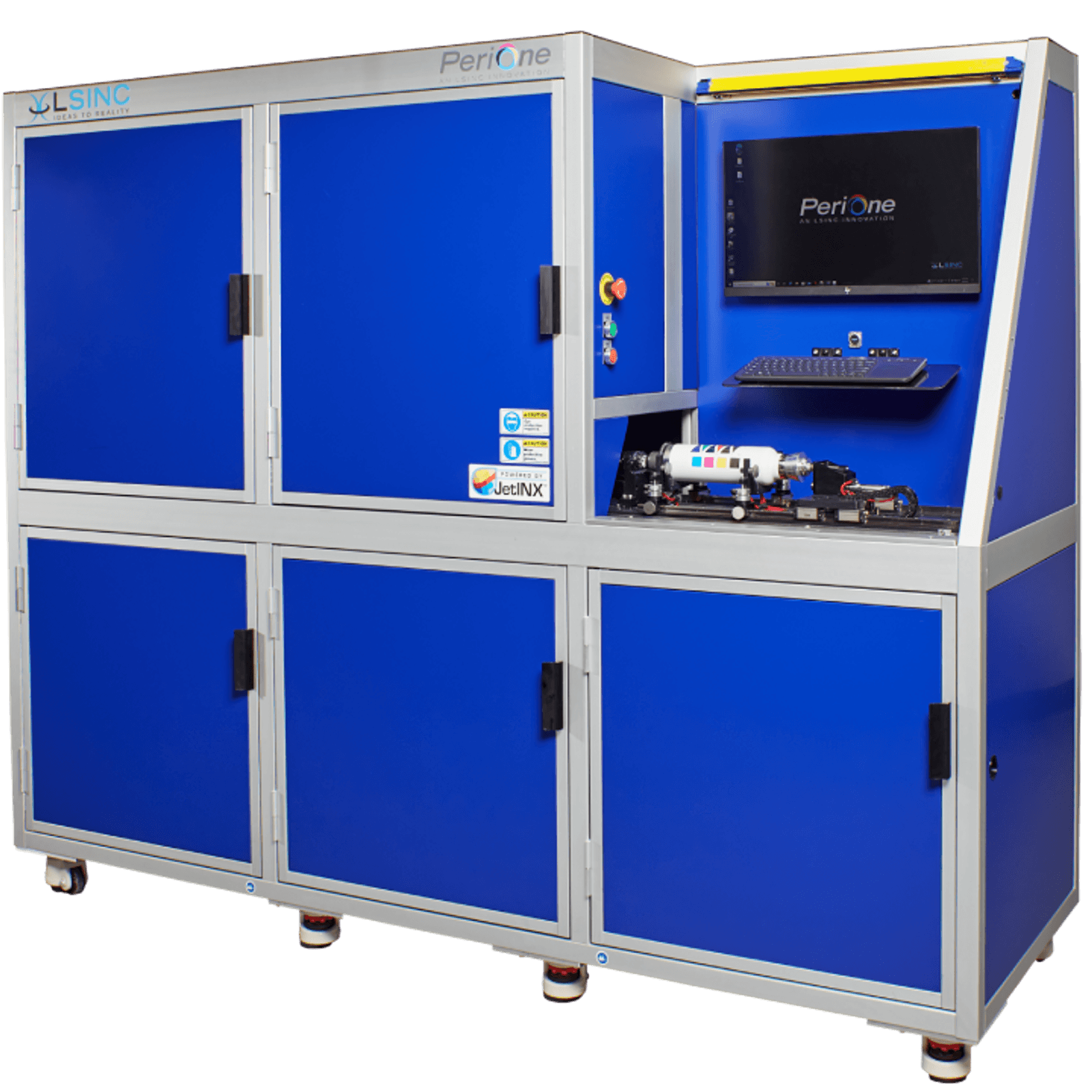
- Short runs and prototyping: the PeriOne is a compact system for agile production.
Evaluate print speed on your artwork, material compatibility and how the printer will integrate with your line. Our buyer checklist, Before You Buy a High-Throw Printer, lists the questions worth asking any vendor.
Printed all the way around
Questions buyers ask
Can you print 360 degrees around a bottle?
Yes. Cylindrical direct-to-object printing rotates the bottle under the printheads, so artwork can wrap the full circumference with a clean join.
Can cylindrical printers handle tapered or cone-shaped products?
Yes, with motion designed for it. Tapered surfaces change distance from the printheads along their height, so the printer has to compensate. The Perivallo360m is built for tapered and contoured shapes.
Do clear glass or dark containers need a white underbase?
For vivid, opaque color on clear or dark surfaces, a white layer is usually printed first. It adds print time, so include it in throughput estimates.
How does cylindrical printing compare to shrink sleeves?
Shrink sleeves cover complex shapes but must be printed in advance and applied. Direct printing removes the sleeve inventory and application step and makes short runs and design changes simple.
What sizes of cylindrical objects can be printed?
It depends on the printer. Compare the diameter and length ranges on each printer page, then send a sample for a test print.