The short-run math problem
Every decoration process has a fixed cost per design and a variable cost per piece. Fixed costs are the screens, plates, labels, transfers, setup time and approvals needed before the first good piece. Variable costs are the ink, labor and machine time for each piece after that.
On a long run, fixed costs vanish into the average. On a run of 50, or a run of one, they are the average. The way to make short runs profitable is to choose a process where the fixed cost per design is as close to zero as possible, then keep the per-piece cost under control with good handling.
How common processes handle short runs
- 01
Pressure-sensitive labels
Low cost at volume and easy to apply, but each design needs printed label stock, often with minimums, plus a labeling step. Digital label printing shortens runs but keeps the label.
- 02
Shrink sleeves
Full 360 degree coverage on complex shapes, but sleeves are printed in advance, usually in larger minimums, and need a shrink tunnel.
- 03
Heat transfer and decals
Rich graphics on many substrates, with a transfer to print and an application step for every piece. Some glass decals also need firing.
- 04
Sublimation
Vivid, durable images on polymer-coated products. It depends on specially coated blanks and a press or wrap step for each piece.
- 05
Screen and pad printing
Economical on long runs of simple designs, with tooling per color that makes very short runs expensive.
- 06
Digital direct-to-object
No tooling or pre-printed stock: artwork goes from file to product. Per-piece cost depends on coverage and handling.
What makes personalization work at production speed
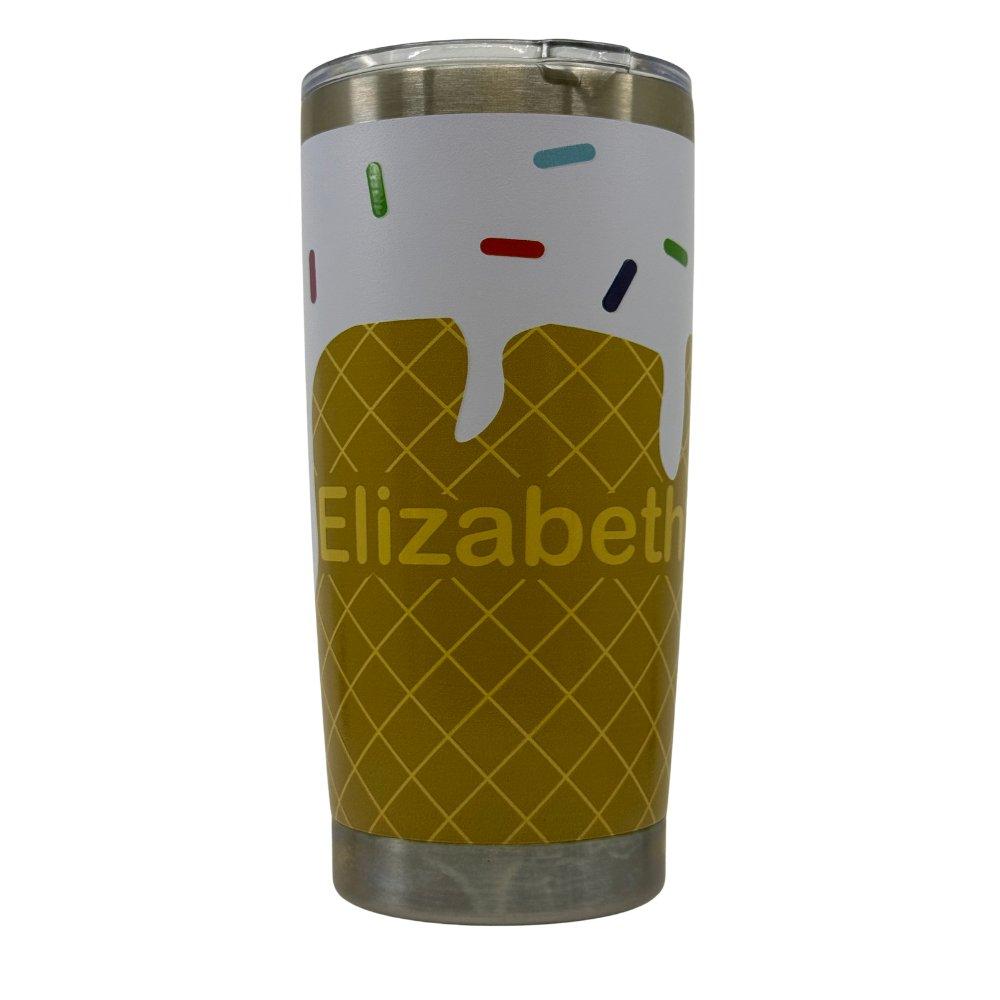
Personalization is not just printing a name. It is a data workflow wrapped around a print process:
- Orders become print files. Names, numbers or design choices flow from the order system into artwork templates automatically, so no one retypes anything.
- Every piece is traceable. A job ID or sequence ties each printed item to its order, so the right piece goes in the right box.
- Fixtures stay put. Personalized runs work best when the product shape stays the same and only the artwork changes.
- Proofs happen upstream. Customers approve on screen before anything reaches the line.
Digital direct-to-object printers support variable data printing, so the print step is the easy part. The work is in connecting orders to the printer and designing the pack-out.
Short-run economics checklist
Know your fixed cost per design
Add up tooling, setup labor, approvals and minimum order quantities for your current process.
Know your cost per piece
Ink or media, labor per piece and scrap, measured at your typical artwork.
Find your break-even run length
Divide the difference in fixed cost per design by the difference in cost per piece. Below that run length, the lower-setup process wins.
Price inventory risk
Pre-printed labels, sleeves and transfers for designs that may not sell are a cost even while they sit on a shelf.
Design for one fixture
Offer personalization on products that share a shape, so every order runs on the same setup.
Plan the pack-out
Sequencing, verification and packing are where personalized orders go wrong. Design them before launch.
Where short runs grow the business
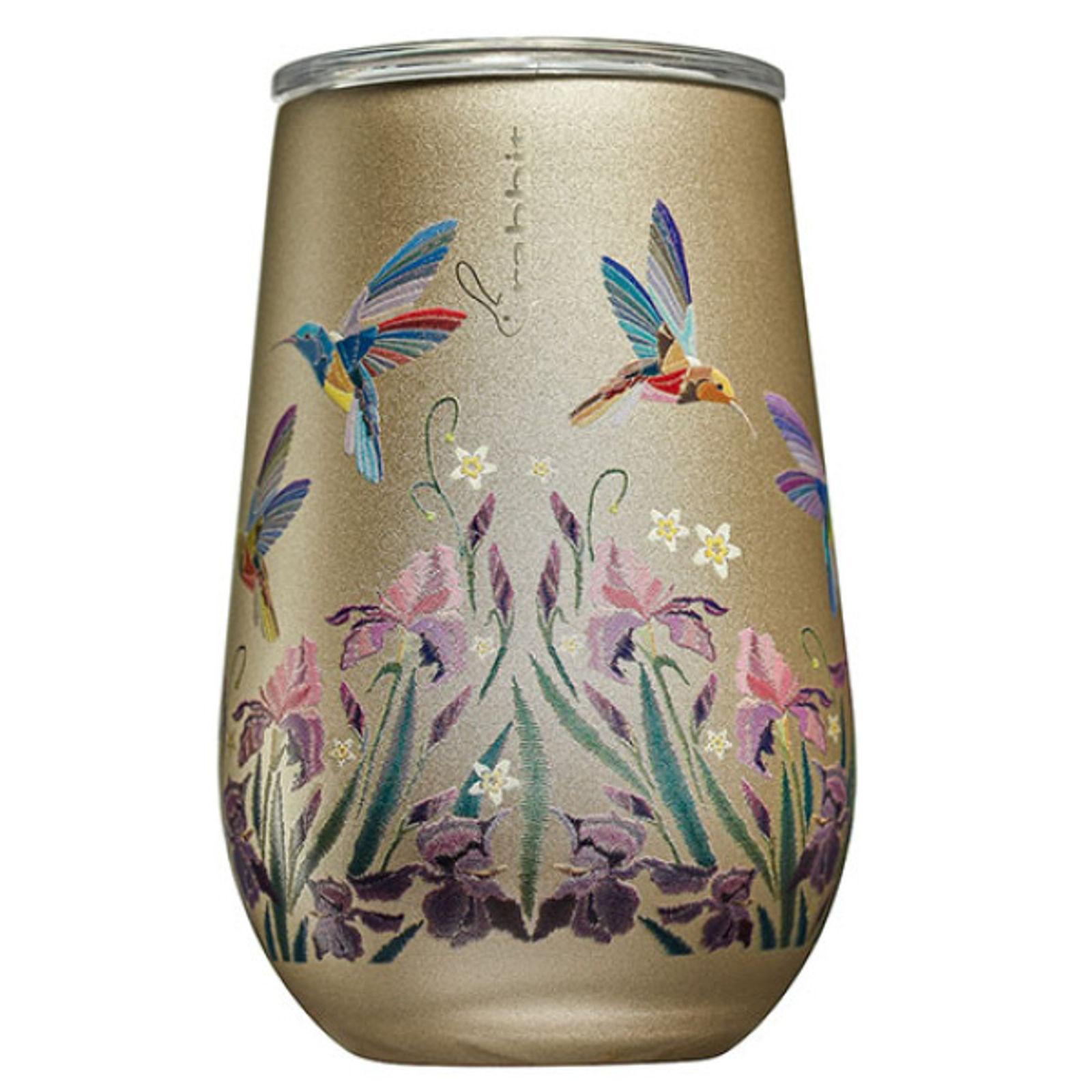
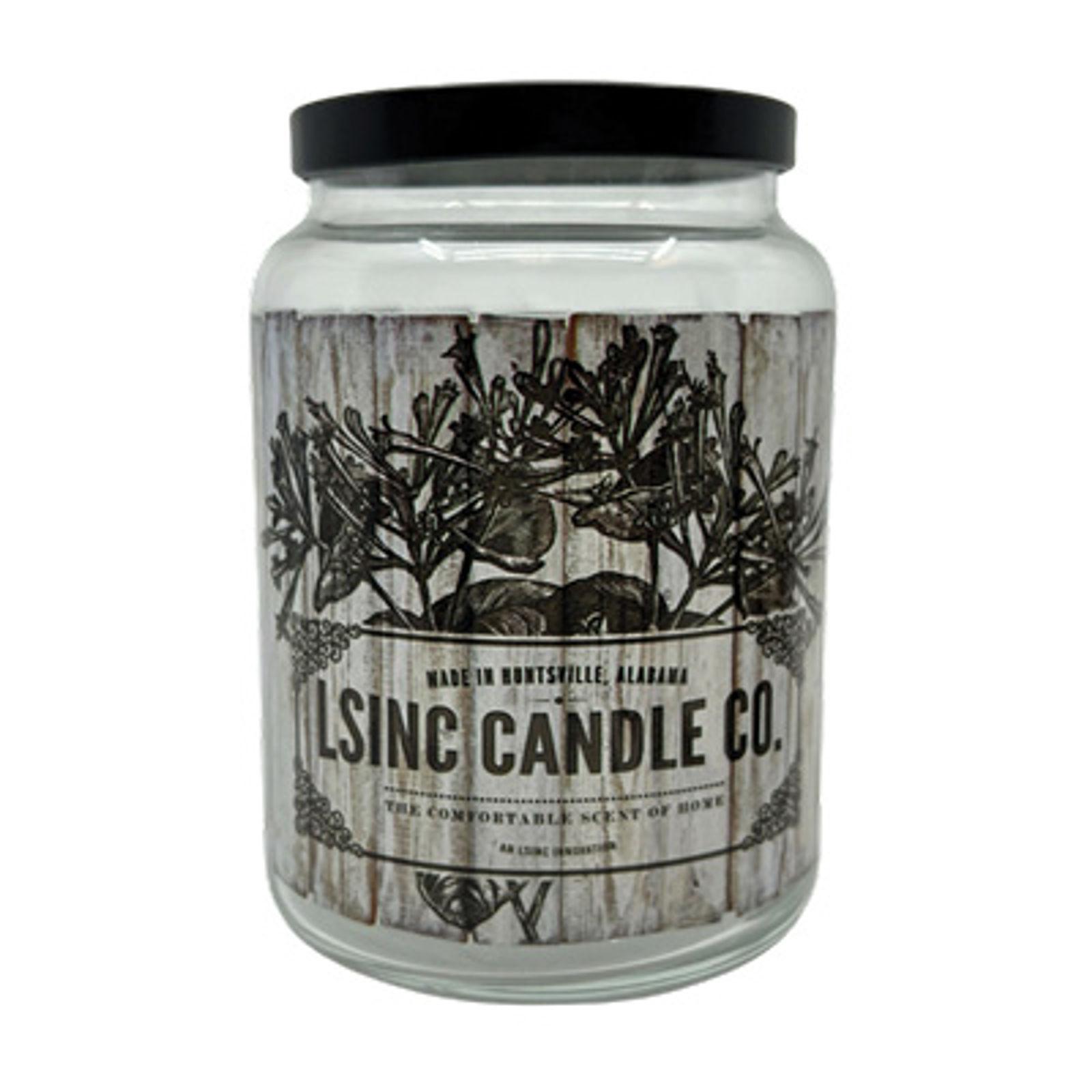
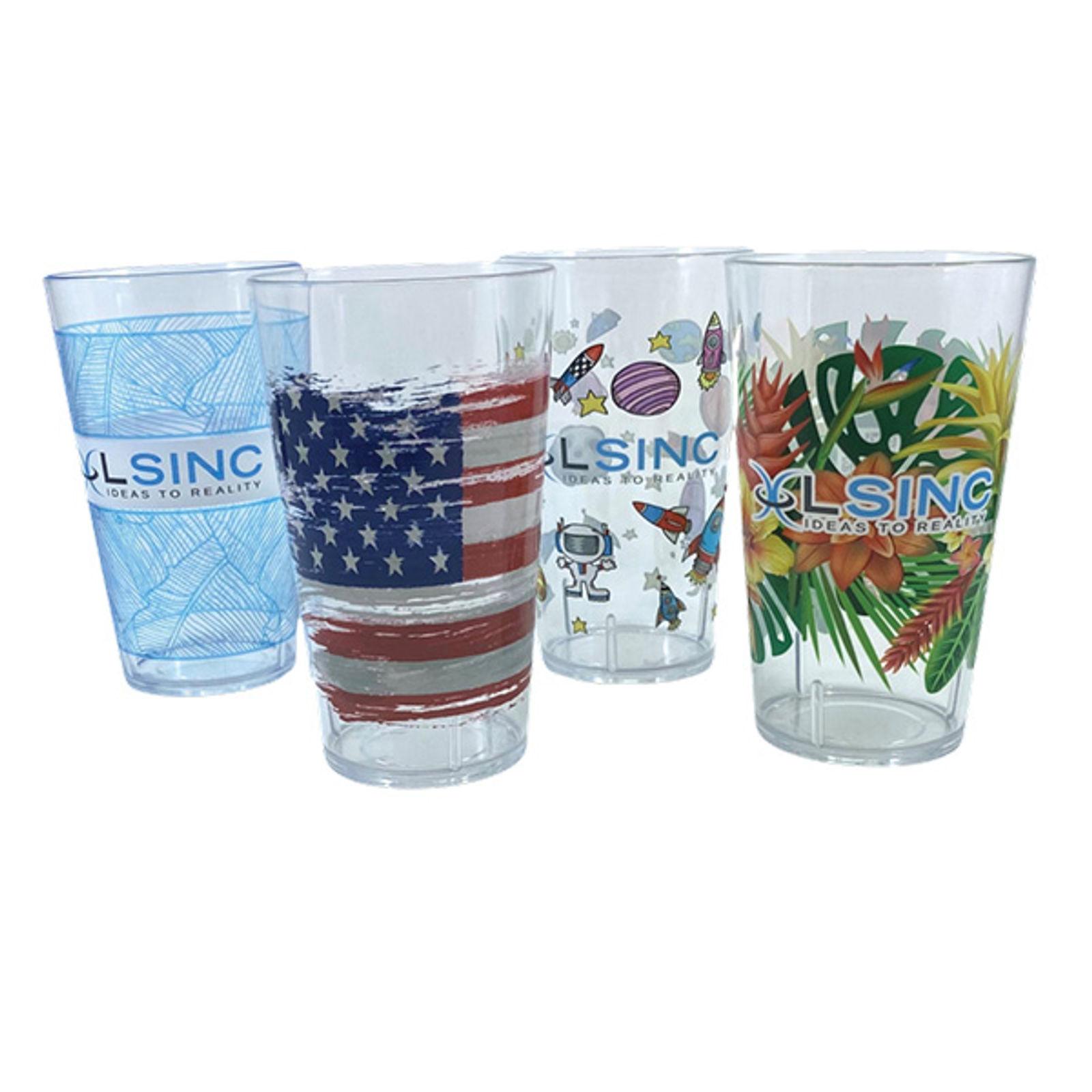
Short runs are not just a cost problem to manage. They open work that long-run processes cannot touch: event and venue merchandise, corporate gifts, celebration orders, test-market designs, regional and retailer-exclusive versions, and seasonal releases that change monthly. Each is a chance to elevate the brand with something that feels made for the customer, and custom pieces often carry a better margin than commodity ones. More splash per design, more ROI per run.
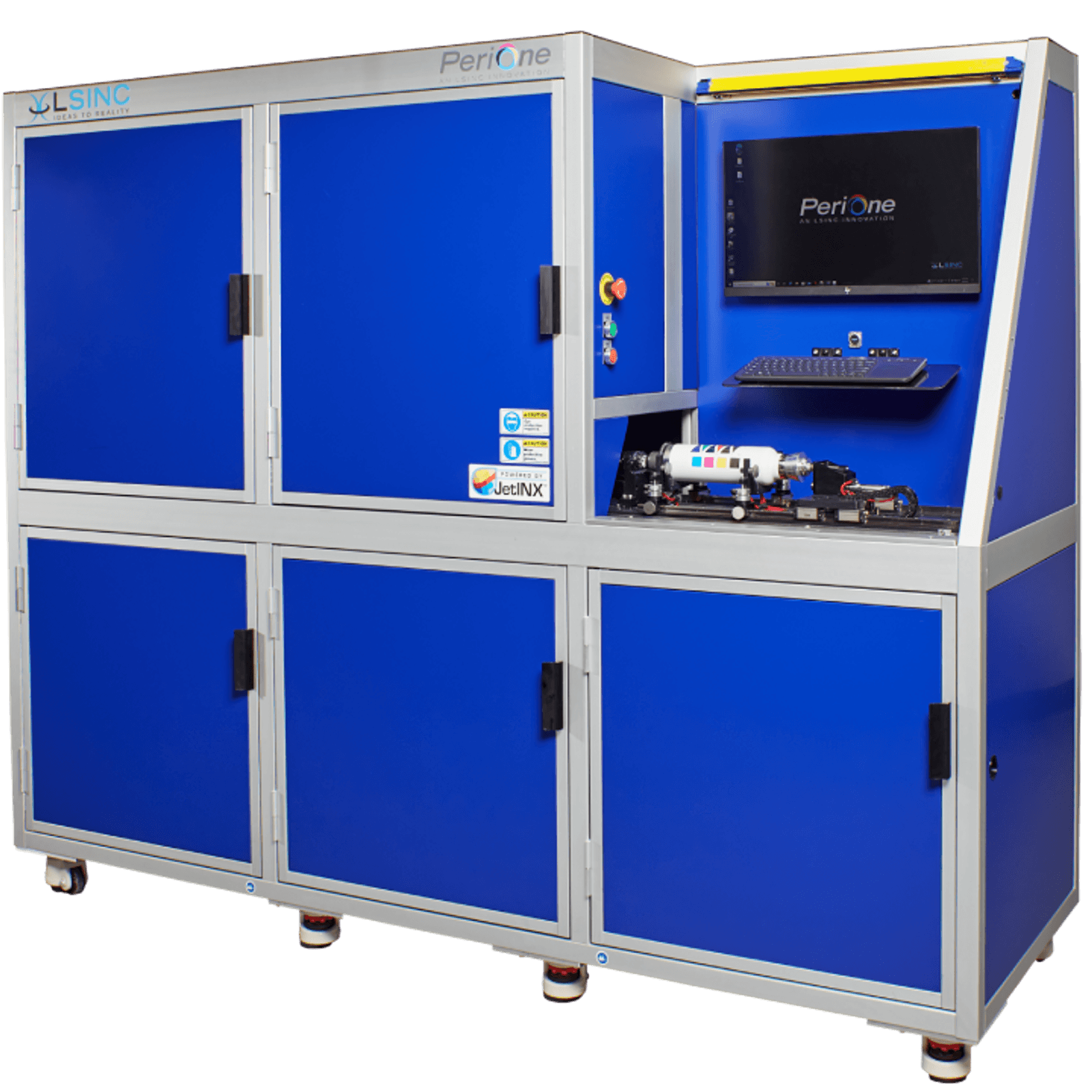
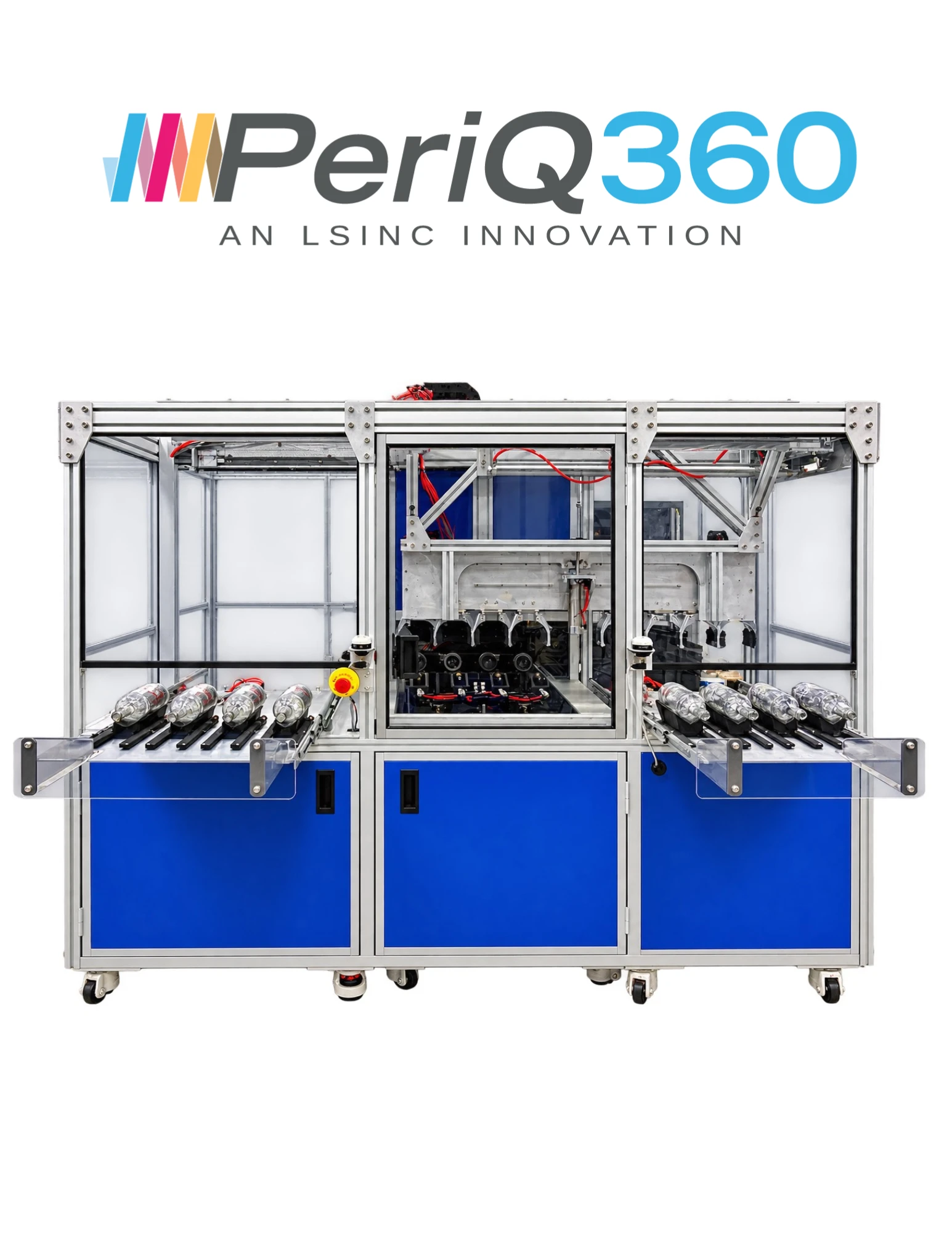
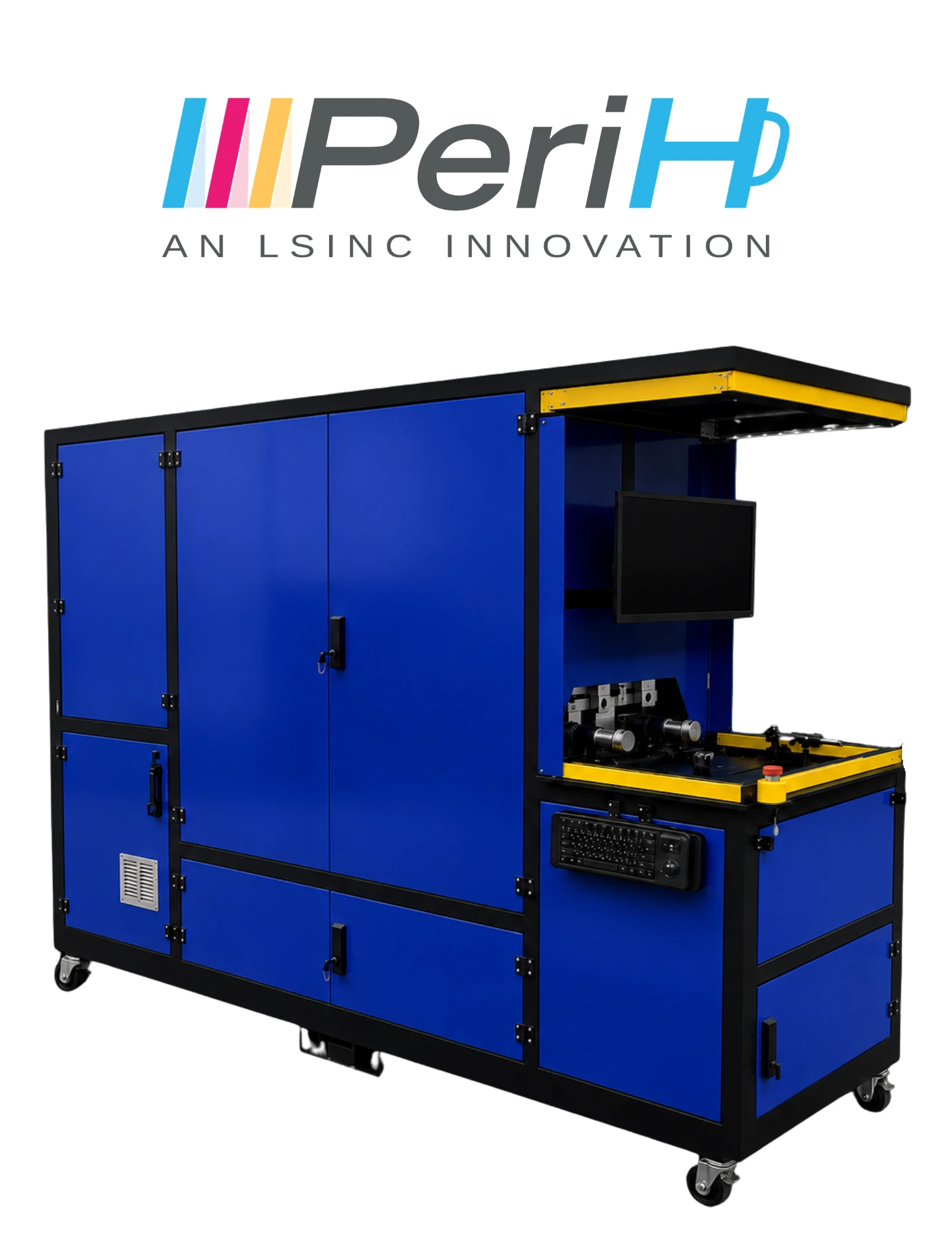
The PeriOne was designed for short runs and prototyping, the PeriQ360 brings the same digital flexibility to production volumes, and the PeriH adds handled mugs and tumblers. See real examples on the customized products page.
Questions buyers ask
What is the most economical way to print short runs on bottles or drinkware?
Usually a process with no tooling or pre-printed stock per design, such as digital direct-to-object printing. The exact break-even depends on your artwork coverage, labor and current setup costs.
Can direct-to-object printers personalize each piece?
Yes. Variable data such as names, numbers and versions can change from one piece to the next without stopping the line.
Is there a minimum order for digital direct-to-object printing?
The process itself has no tooling minimum. Practical minimums come from your own setup, handling and business model.
How does sublimation compare to direct-to-object printing?
Sublimation produces vivid images on polymer-coated blanks, which limits substrate choice. Direct-to-object UV printing works on uncoated glass, metal and many plastics, with a pretreatment where adhesion requires it.
Can I offer personalization on handled mugs?
Yes, with a printer designed for handled geometry, such as the PeriH.