The problem both approaches solve
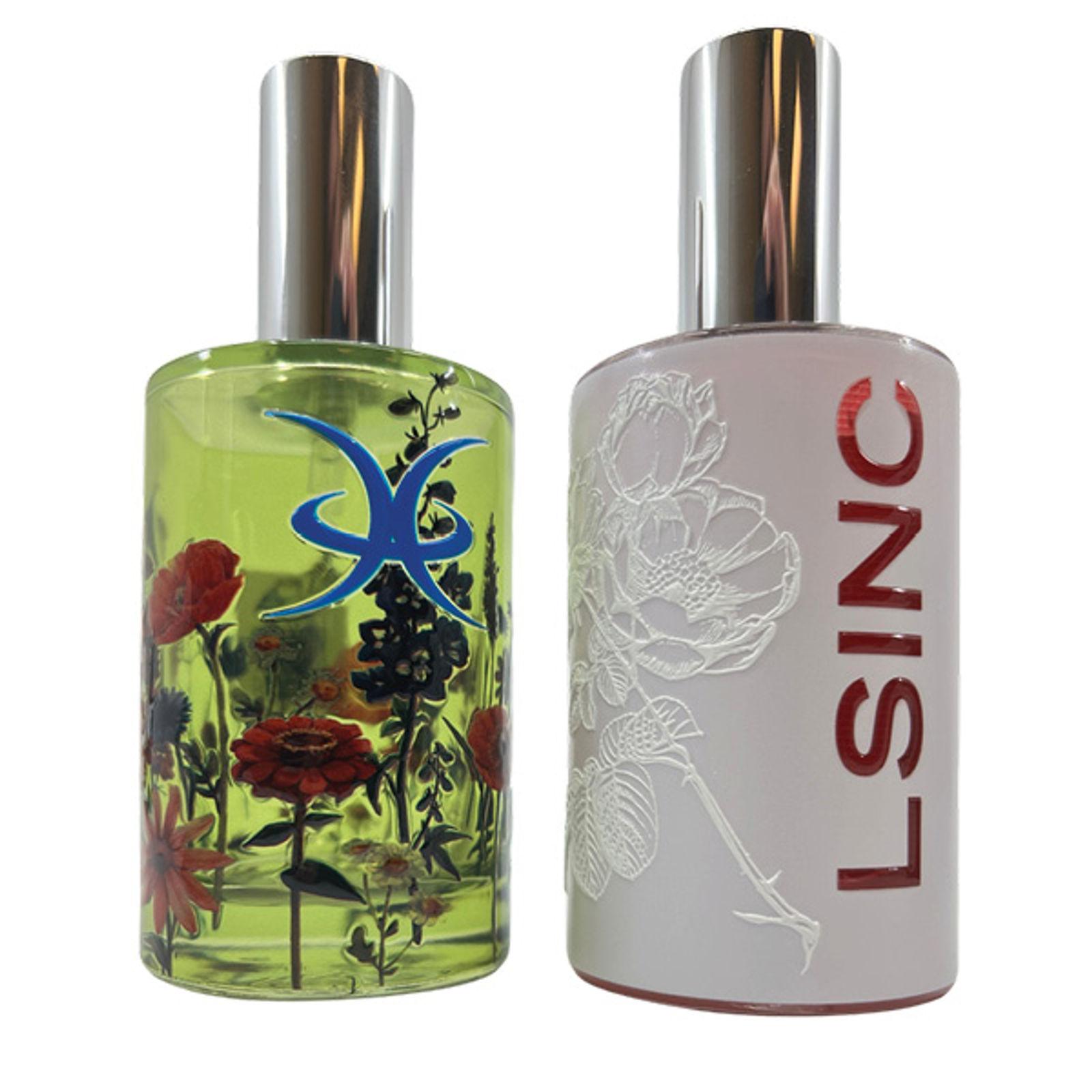
Inkjet printheads print best when the surface is close and at a consistent distance. A straight-walled cylinder rotating under the heads makes that easy. A tapered tumbler, a shouldered bottle, a contoured cosmetic jar or a mug with a handle does not: the surface slopes, curves or gets in the way.
There are two broad answers. More throw distance accepts the varying gap and relies on the printhead and ink to jet reliably across it. Custom motion and fixturing changes the gap instead: the part is tilted, rotated on a helical path or held in a fixture that presents each area of the surface squarely to the heads.
Throw distance vs. motion and fixturing
More throw distance
- One setup can cover many shapes
- Less part-specific hardware
- Quality at the largest gap sets the ceiling
- Overspray, mist and cleaning need to be managed
- Handles and deep recesses can still block the heads
Custom motion and fixturing
- A small, consistent gap across the surface
- Sharper edges and fine detail on steep curves
- Fixtures and motion programs for each part family
- Upfront engineering for new shapes
- Can print around features such as handles with the right motion
Signals that motion and fixturing will win
- 01
Steep tapers or strong curvature
When the gap would vary a lot across the print area, keeping it constant with motion protects edge quality.
- 02
Fine text, thin lines, tight registration
Detail-heavy artwork shows placement errors first, so short, consistent throw distances pay off.
- 03
Handles and obstructions
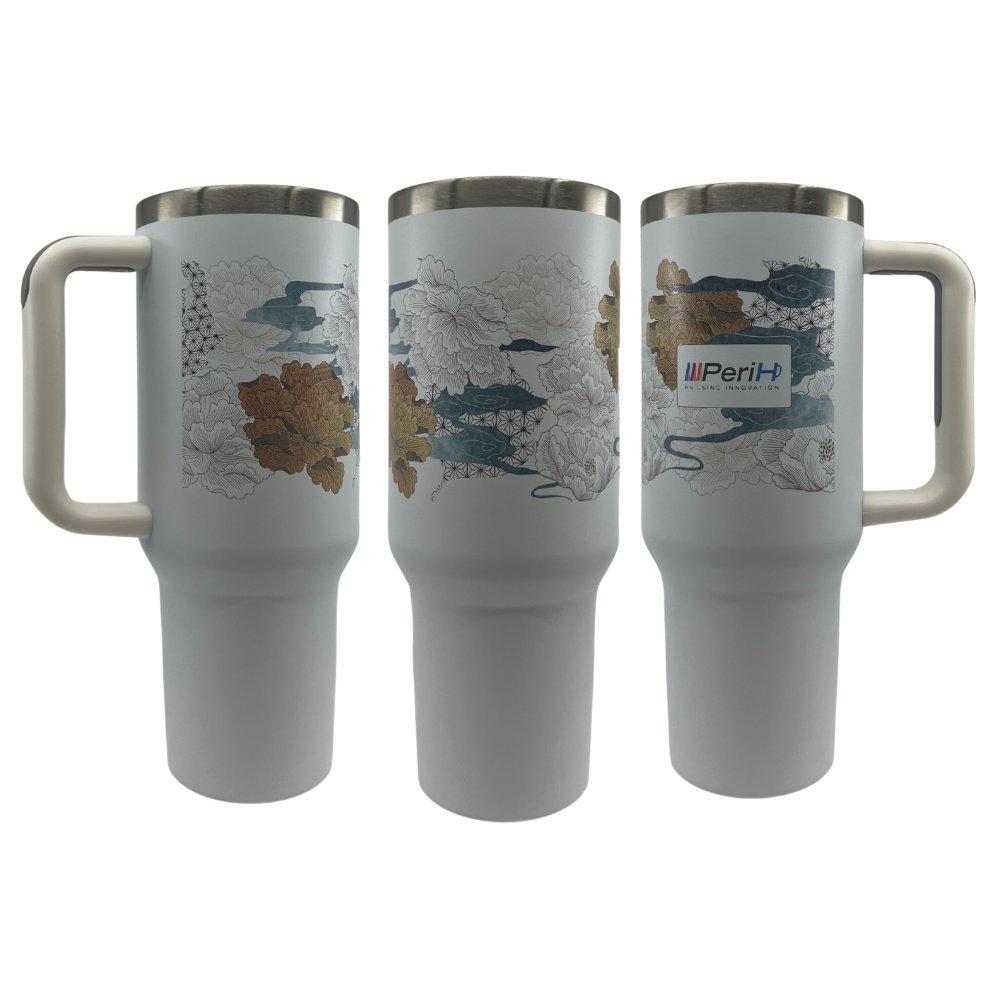
Features that physically block the heads call for motion that works around them. That is the job the PeriH was built for.
- 04
Long runs of a stable product family
The engineering cost of a fixture is spread over many pieces, and the consistency pays back every shift.
- 05
High coverage on premium product
Full-wrap, dense artwork amplifies overspray and cleaning, and premium brands notice every soft edge.
Signals that more throw distance may be enough
- 01
Gentle curves, small gap variation
If the gap barely changes across the print area, the quality penalty may be negligible.
- 02
Constantly changing shapes
Job shops printing a new shape every day may value one flexible setup over optimized fixtures.
- 03
Bold, simple artwork
Solid shapes and large logos tolerate more drop placement variation than fine type.
- 04
Very low volumes
When runs are tiny and never repeat, fixture engineering may not pay back.
How to run the decision on your product
- Map the geometry. Measure how far the surface departs from a cylinder across the print area. That variation is your gap range.
- Choose the hardest artwork. Fine type and thin lines, placed at the steepest part of the curve.
- Print both ways if you can. Compare edge quality at the largest gap, not in the center.
- Run long enough to see the machine. After a few hundred pieces, look at shields, fixtures and the enclosure for mist build-up.
- Price the engineering. A fixture or motion program is a one-time cost per part family; divide it by the pieces it will run.
For a full vendor checklist on throw-based systems, see Before You Buy a High-Throw Printer.
How LSINC approaches it
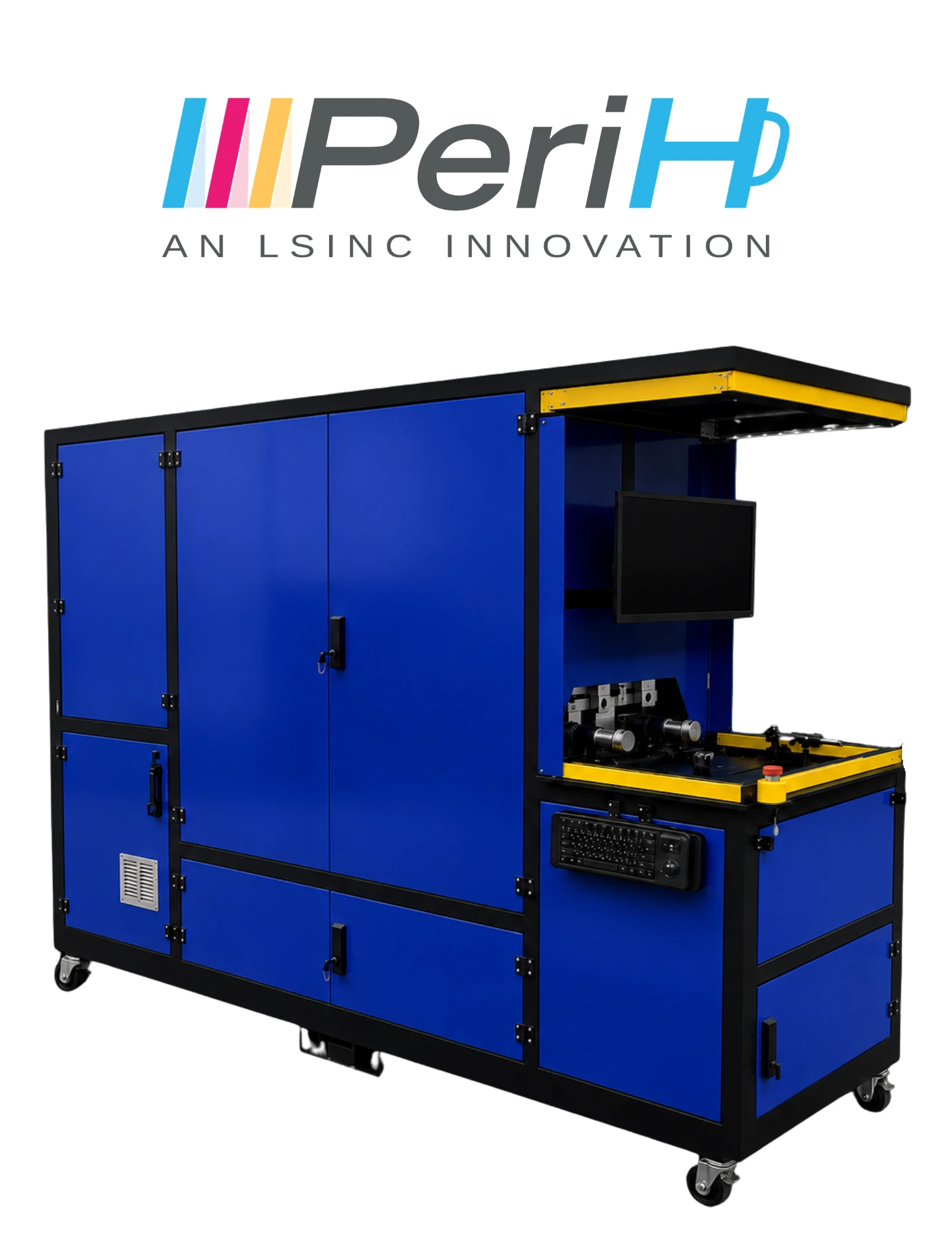
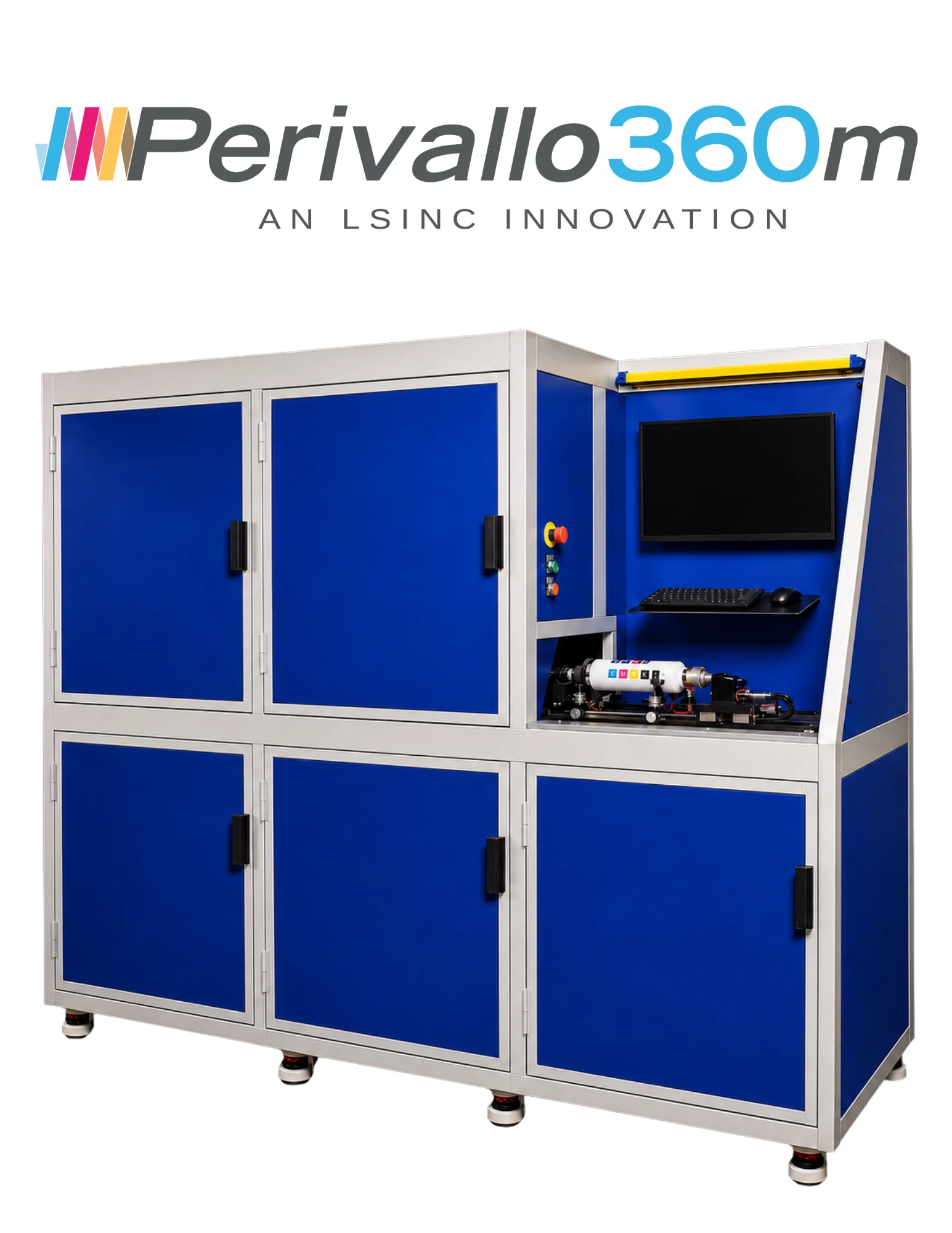
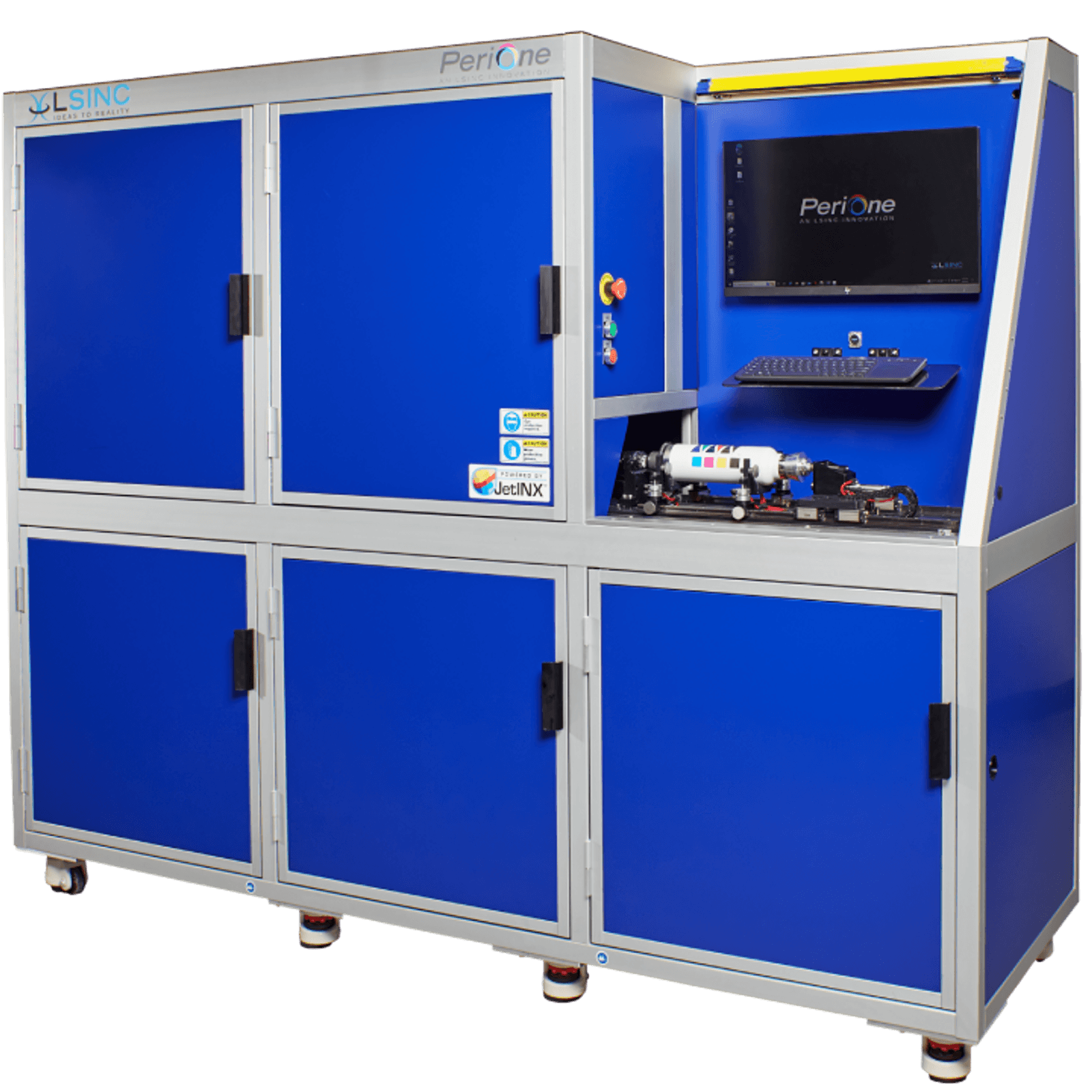
LSINC is an engineering company first, and its printers reflect that: precision motion and fixturing that bring the surface to the printheads. The Perivallo360m prints tapered and contoured shapes, the PeriH prints handled drinkware, and the PeriOne prints surfaces with a curve or dip that still need to carry the design. When a product needs something the standard lineup does not do, LSINC engineers design custom motion and fixturing for it.
See the shapes this covers on the contoured and handled drinkware application pages.
Questions buyers ask
What is throw distance in inkjet printing?
The distance between the printhead nozzles and the surface being printed. Drops cross this gap in flight before landing.
Why does a consistent gap matter?
When the gap varies, drop flight time and landing position vary with it, which can soften edges and shift registration across the image.
Is custom fixturing expensive?
It is an upfront engineering cost per product family. On long or recurring runs it is spread across many pieces; on one-off jobs it may not be justified.
Can direct-to-object printers print around a handle?
Yes, with motion designed for it. LSINC's PeriH is built specifically for handled mugs, tumblers and other handled pieces.
Which approach is better for tapered tumblers?
Tapers change the gap continuously along the height, so motion that follows the taper typically holds quality better. A test print at the steepest section will show the difference.